 Dogyoga
Is puppy yoga ethical? What to check before you book
Puppy yoga can be a gentle, positive experience for young dogs, or a stressful one. The difference is in how the class is run. Here's how to tell them apart.
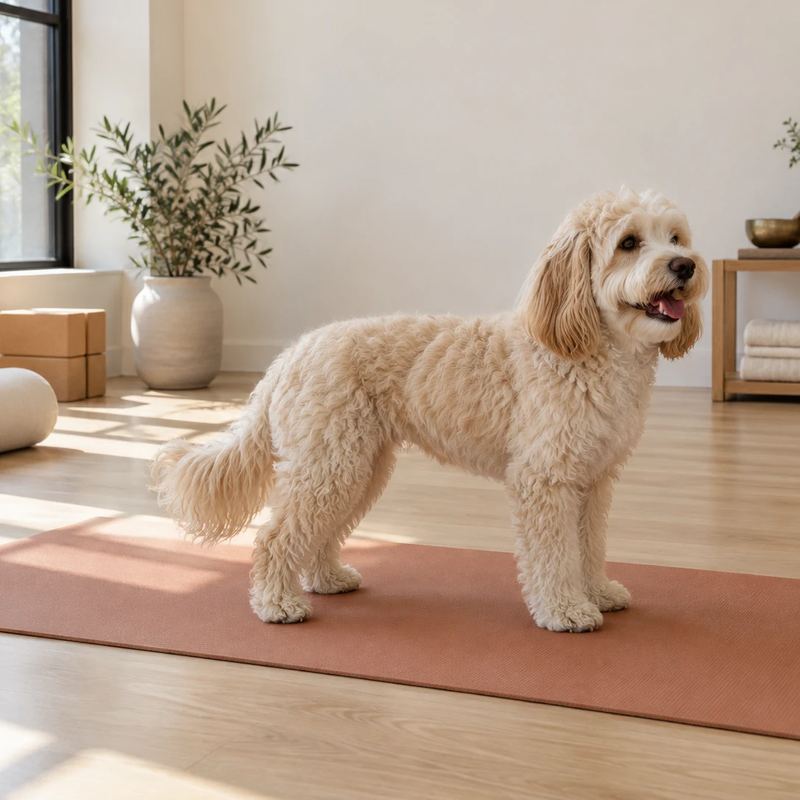
Is puppy yoga ethical? It can be, but it isn't automatically. A puppy yoga class puts very young animals in a busy room full of strangers, and whether that's a good experience for them depends on how long it lasts, how they're handled, where they come from and whether they can rest. Some vets and animal-welfare organisations have raised concerns about the trend, while some rescues use well-run classes to find homes for their puppies. This guide explains the real welfare issues, gives you a checklist of questions to ask, and shares a kinder way to enjoy yoga with dogs.
Why people ask whether puppy yoga is ethical
Puppy yoga is designed around what humans enjoy: cuddles, photos and a feel-good hour. Puppies have different needs. The ethical question is whether a class meets those needs or quietly sacrifices them for the experience. If you're new to the topic, start with What is puppy yoga?.
The main welfare concerns
Sleep
Young puppies sleep for most of the day, often 18 hours or more. Sleep is when they grow and process everything they've learned. A class that keeps them awake and stimulated for long stretches, several times a day, can leave them overtired and stressed.
Handling and stress
Being picked up, passed around and held still by many strangers is a lot for a small puppy. Signs of stress include yawning, lip licking, tucking the tail, trying to hide, trembling and struggling when held. A puppy that seems "calm" may actually have shut down.
Health and hygiene
Puppies have immature immune systems and usually aren't fully protected by their vaccinations until their primary course is complete, often around 12 to 16 weeks old, depending on the schedule the vet uses. Bringing many people, and whatever is on their clothes and hands, into contact with unvaccinated puppies is a disease risk.
Age
Very young puppies should be with their mother and littermates. In many places, including England, it's illegal to sell a puppy before it is eight weeks old, and good breeders and rescues keep young puppies in a calm, familiar environment.
Where the puppies come from
A class run with a responsible rescue can help puppies find homes. A class that "rents" puppies from a breeder, or where puppies work several sessions a day, week after week, raises much bigger questions.
Signs of an ethical puppy yoga class
- Short sessions with the puppies, and a limited number of classes per day.
- A quiet rest area the puppies can retreat to at any time, with water available.
- Strict handling rules: no picking puppies up without permission, no waking sleeping puppies, no passing them around.
- Small groups, so each puppy meets a manageable number of people.
- Hand washing and clean mats before the class.
- Puppies of a sensible age with vaccinations appropriate for the setting, ideally checked by a vet.
- A staff member whose only job is the puppies, not the yoga or the photos.
- Transparency about where the puppies come from and what happens to them afterwards.
12 questions to ask before you book
- Where do the puppies come from: a rescue, a shelter or a breeder?
- How old are the puppies?
- Have they been seen by a vet, and what vaccinations have they had?
- How long are the puppies in the room during each class?
- How many classes do the same puppies take part in each day and each week?
- Is there a quiet space where puppies can rest undisturbed?
- How many participants are in each class?
- Are participants allowed to pick puppies up?
- Who is responsible for the puppies' welfare during the class?
- What happens if a puppy seems stressed or unwell?
- What happens to the puppies after the event? Are they adoptable?
- Is the organiser happy to answer these questions?
That last question may be the most revealing. A responsible organiser will be glad you asked. If a studio is vague, defensive or doesn't know the answers, book elsewhere.
How to be a kind participant
- Let the puppies come to you. Sit on your mat and let them choose.
- Never wake a sleeping puppy for a photo.
- Keep hands low and gentle, and stroke rather than grab.
- Don't hold a puppy that wants to leave.
- Wash your hands before and after, and skip the class if you've recently been around sick animals.
Our guide on what to wear to puppy yoga also covers what to leave at home so the puppies stay safe.
A kinder alternative: doga with your own dog
If the welfare questions leave you uneasy, there's an alternative that keeps everything people love about puppy yoga without borrowing anyone else's puppies. Doga is yoga with your own dog, at home. Your dog knows the place and the person, the session is as short as you like, and your dog is always free to walk away or fall asleep.
- For young dogs, read At what age can a puppy do yoga? first.
- For a step-by-step start, see our beginner's guide to puppy yoga at home.
- For older dogs, try yoga for senior dogs.
Frequently asked questions
Is puppy yoga cruel?
Not necessarily, but it can be stressful for puppies when sessions are long, frequent, crowded or poorly supervised. A well-run class with short sessions, strict handling rules and a quiet rest area is very different from one that isn't.
Why are some vets against puppy yoga?
The main concerns are sleep deprivation, stress from handling, disease risk for puppies that aren't fully vaccinated, and puppies being used repeatedly for commercial events.
Is puppy yoga ethical if the puppies are from a rescue?
It can be a positive way to find homes for puppies, as long as the rescue limits the puppies' time and handling and follows its usual adoption process. See Can you adopt puppies from puppy yoga? for how that process works.
What is the most ethical way to do puppy yoga?
Practise doga at home with your own dog: short, calm sessions in a familiar place, where your dog chooses how to take part.
The bottom line
Is puppy yoga ethical? It depends on the class. Ask where the puppies come from, how long they work and how they're handled, and book only where the answers are clear. Or bring the calm home: the Dogyoga app guides short, gentle doga sessions with your own dog, built around their age and energy.
Further reading
For independent advice on puppy welfare, socialisation and vaccination, see the RSPCA, the ASPCA, the American Veterinary Medical Association and the World Small Animal Veterinary Association.